



A proforma looks like an invoice, carries the same figures and arrives in the same email, which is exactly why it causes trouble. It is not an accounting document, it does not record a sale, and treating it as one creates problems that only surface when someone tries to reconcile the books.
What a proforma is and when to send one
A proforma is a statement of what an order will cost if it goes ahead. It is issued before payment, it commits neither side, and nothing about it enters your accounts.
Three situations call for one. A business customer needs a document to get the purchase approved internally before they can pay, which is the most common case in B2B and the reason proformas exist at all. A customer pays by bank transfer and needs something with the amount and your account details on it. Or an order is a quote that may or may not be accepted, and both sides want the terms written down.
In all three the sequence is the same: proforma first, payment, then the invoice. The invoice is the document that records the sale, and it is issued when the sale actually happens rather than when it is proposed.
Where stores get it wrong
Four mistakes, and they compound.
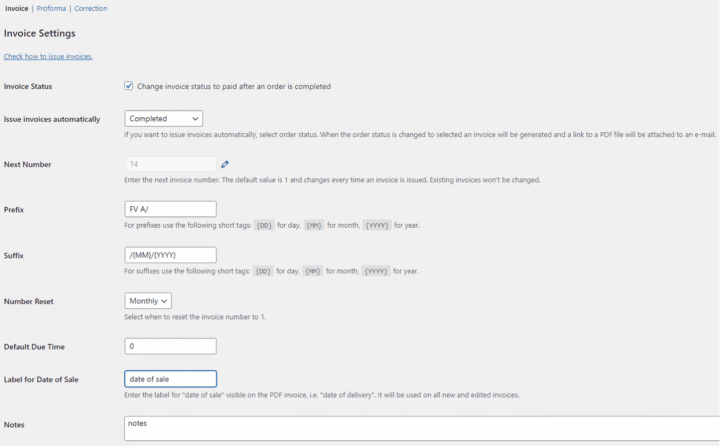
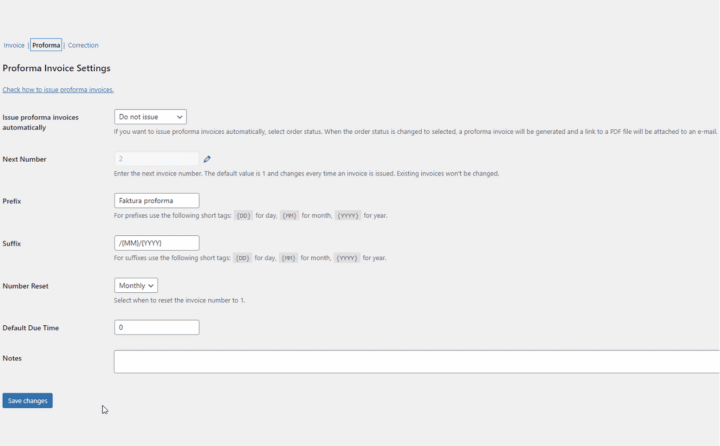
Giving proformas numbers from the invoice sequence. Most proformas are never converted, so every unconverted one leaves a hole where an invoice should be. Proformas need their own sequence, and the numbers in it mean nothing to your accounts.
Counting them as revenue. A proforma is a proposal. Including proformas in a monthly total inflates it by every quote that was never accepted.
Correcting them. There is nothing to correct, because there is no record. A wrong proforma is reissued, and the old one is simply superseded.
And the one that reaches the customer: sending a proforma and then never sending the invoice. The payment goes through, the order ships, and the customer is left holding a document their own accountant cannot use. Issuing the invoice should be triggered by payment, not by someone remembering.
How this plays out at the end of the year
December is when proformas pile up, because B2B buyers spend remaining budget and need approval documents to do it. January is when the mismatch appears.
Two checks cover it. Compare the proformas issued in December against the invoices issued in December and January, and find the ones that were paid but never converted. Then check that nothing from the proforma sequence has leaked into the invoice numbering. Both take minutes in a filtered document list and neither is pleasant to do retrospectively in March.
The split only works if the two document types are genuinely separate. Flexible Invoices issues proformas, invoices and corrections as distinct document types, each with its own numbering, and can convert a proforma into an invoice when the payment lands.
Summary
A proforma states what an order will cost if it proceeds. It is issued before payment, binds neither party and never enters the accounts, which is the whole difference between it and an invoice.
Three situations call for one: a business customer who needs a document to get internal approval before paying, a customer paying by transfer who needs the amount and account details in writing, and a quote whose terms both sides want recorded. In each case the order runs proforma, payment, invoice, with the invoice issued when the sale happens rather than when it is proposed.
Four mistakes recur. Drawing proforma numbers from the invoice sequence, which leaves a gap for every quote that is never accepted. Counting proformas as revenue, which inflates a monthly total by the value of unaccepted proposals. Correcting a proforma, when there is no record to correct and the document should simply be reissued. And sending the proforma without ever following it with an invoice, which leaves a paying customer holding a document their accountant cannot use.
The year end concentrates all of this, because B2B buyers spend remaining budget in December and need approval documents to do it. Two checks in January cover the damage: match December proformas against invoices issued in December and January to find paid orders never converted, and confirm that no proforma number has entered the invoice sequence.
Frequently asked questions
These four separate the two documents in practice.
Can a customer pay against a proforma?
Yes, and that is usually the point of issuing one. The invoice follows the payment rather than replacing it.
Does a proforma need to carry a VAT amount?
It normally shows the expected VAT so the customer knows the full cost, but it does not create a VAT liability, because no supply has taken place.
What if the final invoice differs from the proforma?
That is allowed, since the proforma was an estimate. The invoice reflects what actually happened, and any difference needs no correction document.
Should proformas go to the accountant with the monthly report?
No, and including them is the commonest way a monthly figure comes out wrong. Only issued invoices and corrections belong in that report.
